Damp Patch or Condensation? How to Tell the Difference Before You Replaster
Damp patches, mould and stained plaster can be frustrating, especially when you are trying to get a room looking clean and finished.
The tricky part is that not every damp-looking mark is caused by the same problem. Some issues are caused by condensation. Some are linked to water getting through from outside. Others may need a closer inspection before any plastering or decorating is carried out.
The important thing is this:
Do not just paint over damp, mould or stained plaster and hope it disappears.
If the cause has not been dealt with, the problem will usually come back. Before you replaster, skim or decorate, it is worth working out what might be causing the issue in the first place.
At TL Plastering Essex, we help homeowners across Colchester and Essex with damp proofing, plaster repairs, replastering and decorating. This guide explains what to look for before you decide what needs doing.
First, where is the damp showing?
The location of the damp patch can tell you a lot.
Before you do anything, look at:
- Is it low down on the wall?
- Is it near a window?
- Is it on an external wall?
- Is it in a corner?
- Is it behind furniture?
- Is it around a chimney breast?
- Is it under a roofline, gutter or pipe?
- Is it worse after rain?
- Is it worse in winter?
- Is there mould, staining, flaking paint or damaged plaster?
This does not always give a final answer, but it helps narrow things down.
For example, black mould around windows and cold corners often points towards condensation. A damp patch that gets worse after heavy rain may suggest water is getting in from outside. Low-level damp or damaged plaster near the floor may need a closer inspection before deciding on the right repair.
Signs it may be condensation
Condensation is common in homes, especially in colder months.
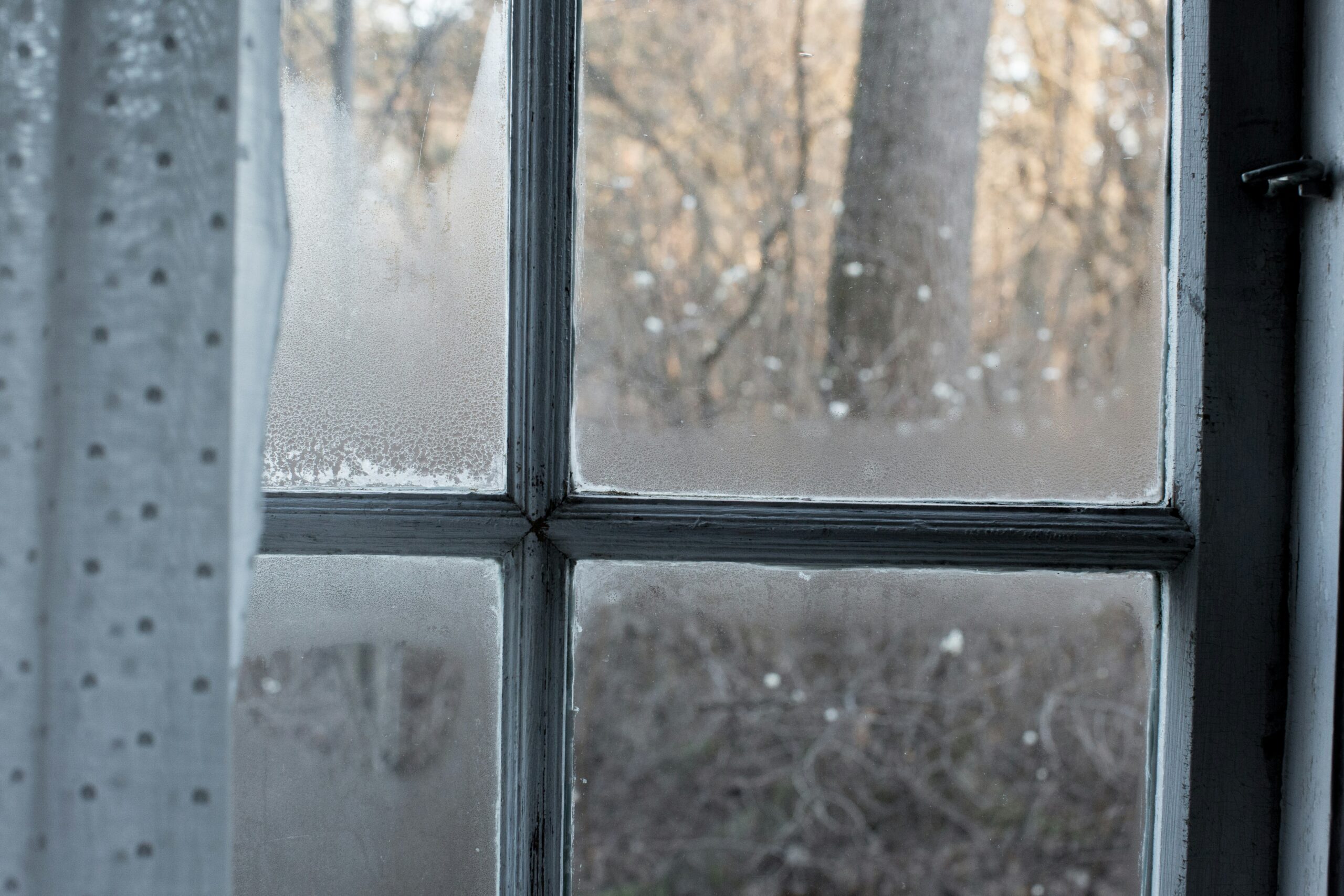
It happens when warm, moist air meets a cold surface. This can often show up around windows, external walls, corners, ceilings and behind furniture where air does not move freely.
Common signs include:
- Black mould around windows
- Mould in corners of rooms
- Damp or musty smells
- Water droplets on windows
- Mould behind wardrobes or furniture
- Peeling paint in colder areas
- Problems that are worse in winter
Condensation is often linked to ventilation, heating, insulation and everyday moisture from cooking, showering, drying clothes and living in the home.
If condensation is the problem, simply replastering or repainting the wall will not fix it on its own. The surface may look better for a short time, but the mould or staining can return if the moisture issue is still there.
Signs it may be penetrating damp
Penetrating damp is usually caused by water getting through from outside.
This can happen through damaged brickwork, cracked render, leaking gutters, roof issues, poor seals, damaged pointing or other external defects.
Possible signs include:
- Damp patches on external walls
- Staining that gets worse after rain
- Peeling paint or blown plaster
- Damp around windows or doors
- Localised patches rather than mould across a whole room
- Damage near guttering, pipes or rooflines
If the outside of the property is letting water in, internal plastering should not be the first step. The cause needs to be looked at first.
For example, if render is cracked or failed, water may be getting behind it. In that situation, replastering the inside without dealing with the outside problem may only hide the issue for a while.
Signs it may be rising damp
Rising damp is often talked about, but it should not be guessed at.
It usually appears low down on ground-floor walls and may be linked to moisture travelling up through masonry. Signs can include damaged plaster near skirting boards, salt marks, peeling paint or damp patches that stay close to the bottom of the wall.
Possible signs include:
- Damp or stained plaster low down on the wall
- Crumbling or soft plaster near the skirting
- Peeling paint or wallpaper near floor level
- White salt marks on the surface
- Timber skirting starting to deteriorate
- A tide-mark effect on the wall
However, similar symptoms can sometimes be caused by other issues, so it is important not to assume. The wall needs to be checked properly before deciding whether damp proofing, replastering or another repair is needed.
Why you should not just skim or paint over damp
Skimming over damp plaster might make the wall look better for a short time, but it does not deal with the cause.
If the wall is still damp, or if the plaster has been damaged by moisture, the new finish may fail. Paint can peel. Stains can come through. Mould can return. Fresh plaster may not dry properly.
The same applies to decorating. A fresh coat of paint can hide marks temporarily, but it will not solve condensation, penetrating damp or rising damp.
A better approach is:
- Work out what may be causing the damp.
- Deal with the source of the moisture where possible.
- Remove or repair damaged plaster if needed.
- Allow the area to dry properly.
- Replaster, skim or decorate once the surface is ready.
That gives the finished wall a much better chance of lasting.
When plaster may need removing and replacing
Sometimes plaster can be repaired or skimmed. Other times, it may need to be removed and replaced.
Plaster may need more than a skim if:
- It has blown away from the wall
- It sounds hollow when tapped
- It is crumbling or soft
- It has been badly damaged by moisture
- Paint and plaster are flaking away
- Salt contamination is showing
- Previous repairs have failed
- The wall keeps staining after decoration
This is why a quick look at the wall matters. The right repair depends on what condition the plaster is actually in.
If the plaster is still sound and the moisture issue has been dealt with, skimming may be suitable. If the plaster has failed, replastering may be the better option.
What we check before recommending work
When looking at a damp or damaged wall, we are not just thinking about how to make it look smooth. We are thinking about why the wall has failed and what needs to happen before it is finished.
Things we may look at include:
- Where the damp is showing
- Whether the wall is internal or external
- Whether there is mould, staining or salt
- Whether the plaster sounds hollow
- Whether paint or wallpaper is peeling
- Whether the issue is near windows, gutters or external walls
- Whether the room has ventilation issues
- Whether the surface is ready for plastering or decorating
This helps us advise on the right next step, rather than simply covering the problem.
What photos should you send?
Photos are useful when asking for advice or a quote.
If you can, send:
- A wide photo of the whole wall or room
- Close-up photos of the damp, mould or damage
- A photo showing where the issue sits in the room
- Any nearby windows, external walls or pipework
- Outside photos if the issue may be linked to render, gutters or brickwork
- Your location in Essex
Photos do not always replace seeing the job properly, but they help us understand what might be going on.
Common examples we see in Essex homes
Many damp-related jobs start with the same concern:
“Can this just be plastered over?”
Sometimes the answer is yes, once the surface is dry and sound. But often, the better answer is:
“Let’s work out why it has happened first.”
Common situations include:
- Mould forming around windows in colder rooms
- Paint peeling on external walls
- Plaster blowing after old damp issues
- Staining around chimney breasts
- Cracked render allowing moisture through
- Rooms being redecorated before the wall was properly ready
This is where experience matters. A smooth finish is important, but the preparation underneath is what helps the finish last.
Quick checklist before you replaster or decorate
Before booking plastering or decorating over a damp area, ask:
- Has the cause of the damp been checked?
- Is the wall still wet or stained?
- Is there mould present?
- Does the plaster sound hollow?
- Is the paint peeling or bubbling?
- Is the issue worse after rain?
- Is it worse in winter?
- Is the problem near an external wall, window or pipe?
- Has the room got enough ventilation?
- Is the surface actually ready to be finished?
If you are unsure, get advice before spending money on plastering or decorating.
FAQs
Can you plaster over damp?
It depends on the cause and the condition of the wall. If the wall is still damp or the plaster has failed, plastering over it may not last. The cause should be checked first.
Is mould always caused by damp?
Not always. Mould is often linked to condensation, especially around windows, cold corners and poorly ventilated spaces. Other damp issues can also create conditions where mould grows, so it is worth checking properly.
Can condensation damage plaster?
Yes, over time condensation and repeated moisture can damage paint, plaster and decorations. It can also lead to mould growth if the room is not ventilated properly.
Should I paint over a damp patch?
Painting over a damp patch is usually only a temporary fix. If the cause has not been dealt with, the stain or damage may come back.
How do I know if plaster has blown?
Blown plaster may sound hollow when tapped. It can also crack, bulge, crumble or come away from the wall. If plaster has blown, it may need removing and repairing before a new finish is applied.
Can you repair the plaster after damp treatment?
Yes. Once the cause has been dealt with and the wall is ready, damaged plaster can often be removed, repaired, skimmed or replastered depending on the condition.
Do you cover Colchester and wider Essex?
Yes. TL Plastering Essex covers Colchester and surrounding areas across Essex. If you are unsure whether we cover your location, send us a message and we will let you know.
Need advice on damp, mould or damaged plaster?
If you have damp patches, mould, blown plaster or staining on your walls, send us a few details and photos of the area.
We can help you understand the likely next step, whether that is damp proofing, plaster repair, replastering or decorating once the wall is ready.
Get a free quote from TL Plastering Essex.